An idle crane isn't just unproductive. It's actively costing you money. The raising gang is on the clock whether the crane is moving steel or sitting still. The equipment rental doesn't pause when the hook is empty. And every minute the crane isn't making picks is a minute your project falls further behind a schedule that doesn't have slack built in.
Most PMs know idle time is a problem. Very few can tell you how much of it they actually have, because until you measure it at the pick level, idle time is invisible. It hides in the gaps between picks, in the transitions between zones, in the waiting that everyone accepts as normal because nobody can quantify it.
Where Idle Time Actually Comes From
Idle crane time on a steel erection project isn't one big problem. It's dozens of small ones that add up across every shift. Versatile data across hundreds of projects consistently identifies 30 to 60 minutes of raising gang micro-delays per crane, per day. At $1,000 per hour, that's $500 to $1,000 in daily margin exposure that most teams can't see, let alone address.
The sources are predictable.
Coordination gaps between picks. The crane completes a pick. The next piece isn't rigged yet because the connectors are still bolting the previous member. The rigger is waiting for the signal. The crane sits. Five minutes here, seven minutes there. Over a full shift, these gaps add up to significant idle time that nobody tracks because each individual gap seems too small to matter.
Material staging issues. The next piece in the sequence isn't where it should be in the yard. Someone has to find it, verify the piece mark, and get it positioned for the rigger. The crane waits. If the piece turns out to be on the wrong side of the yard or buried under a later delivery, that wait stretches from minutes to tens of minutes.
Other-trade interference. On multi-trade projects, the crane is shared. When the concrete crew runs over their allocated hook time, or the mechanical contractor needs an emergency pick, the steel erection crew waits. This interference is common, expected, and almost never documented well enough to support a claim.
Weather and safety holds. Wind calls, lightning delays, and safety stand-downs are legitimate idle time, but they still cost money. The difference is documentation. Weather delays are often underdocumented because everyone is focused on safety (as they should be), and by the time someone thinks to log the duration, the estimate is rough at best.
The Cost Nobody Calculates
The math on idle crane time is straightforward, but most teams never do it because they don't have accurate data.
A raising gang costs roughly $1,000 per hour, all in. If your crane has 45 minutes of total idle time across a shift (which is within the range Versatile data consistently identifies), that's $750 per day. Over a 20-day work month, that's $15,000 per crane. On a four-month project, that's $60,000 in margin exposure from one crane.
That number gets worse on multi-crane projects. Two cranes with similar idle-time profiles double the exposure. And the idle time isn't just a cost. It's a schedule compression. Every minute of idle time is a minute of production that didn't happen, which means the same amount of steel needs to be set in less available time. The schedule tightens, overtime increases, and the margin compresses from both sides.
"We knew idle time was a problem, but we always thought of it as 'just part of the job.' When we actually saw the data, we realized we were losing more than an hour a day across two cranes. That's $2,000 a day we weren't seeing." (VP of Operations, national steel erector)
How to Actually Reduce It
You can't fix what you can't measure. And you can't measure idle time with manual methods because the manual methods are part of the problem. Nobody is going to stand next to the crane with a stopwatch logging every gap between picks.
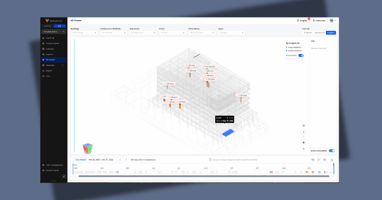
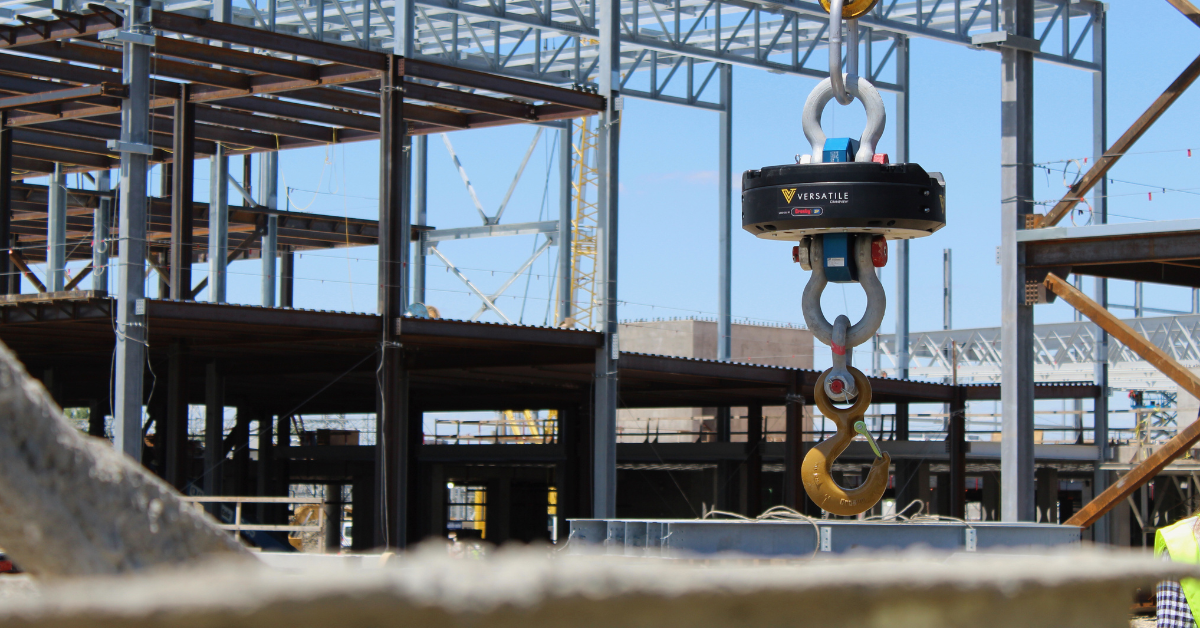
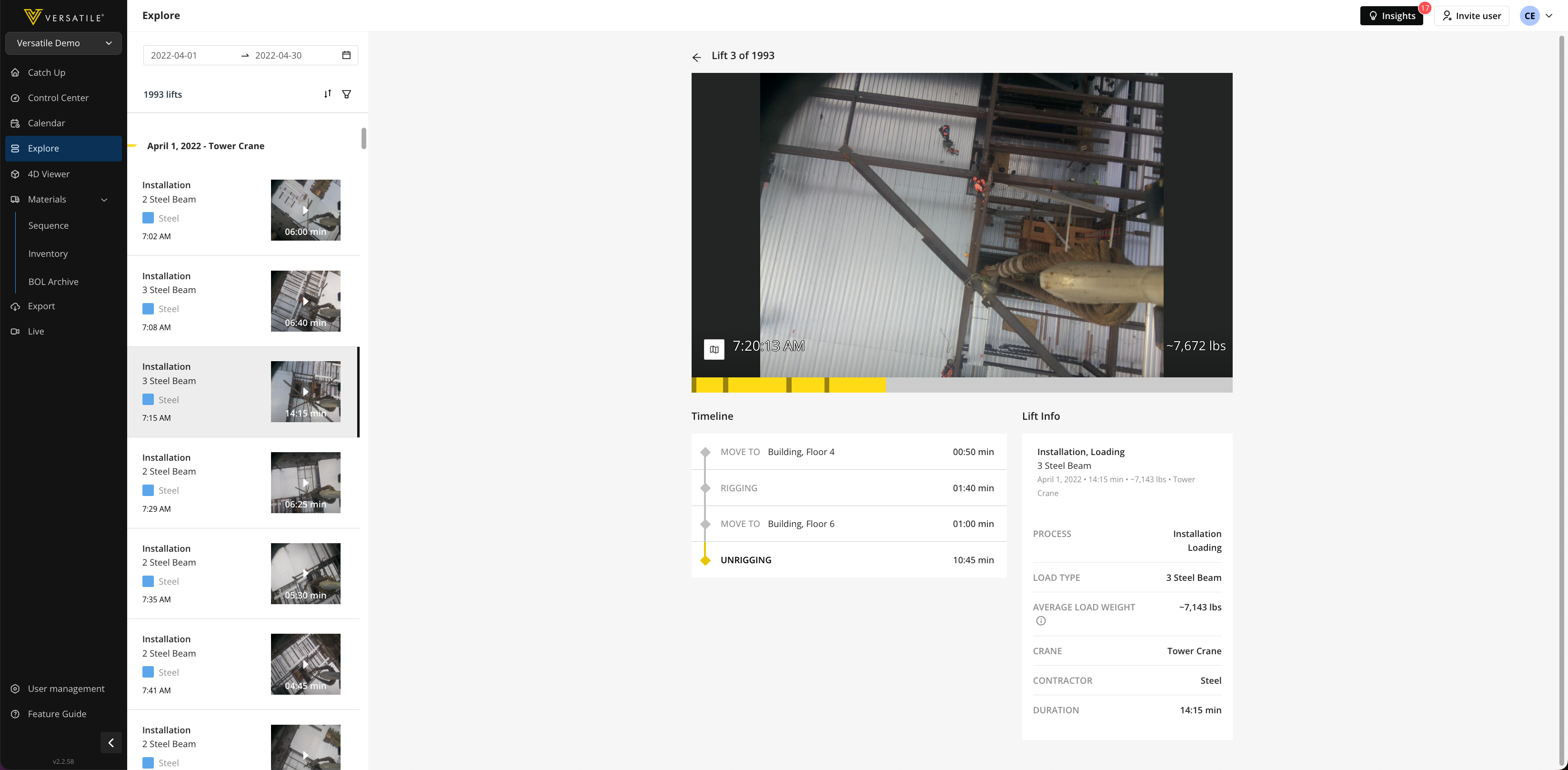
The crane intelligence device captures every pick automatically. It logs when the crane is actively working, when it's idle, and what category the idle time falls into. The system separates productive time from waiting, coordination delays, and other-trade interference without any manual input.
With that data, three things become possible.
Pattern identification. When idle time clusters at the same point in the shift (late morning material staging, early afternoon trade transitions), the pattern becomes visible and addressable. The fix might be as simple as adjusting staging workflow or coordinating trade handoffs differently.
Crew-level improvement. When the foreman can see exactly where time is being lost, the morning planning conversation changes. Instead of general urgency ("let's have a good day"), the conversation becomes specific: "Yesterday we lost 12 minutes between picks in zone 3 because pieces weren't staged. Let's get zone 4 staged tonight so we don't repeat it."
Documented delay recovery. When idle time is caused by another trade's interference or a GC scheduling decision, the data documents it. Timestamped, categorized, and tied to specific periods of the shift. That documentation turns an absorbed cost into a recoverable one.
Idle Time Is Margin You Can See
Every steel erection project has idle crane time. The question isn't whether it exists. The question is whether you can see it, quantify it, and do something about it. Erectors using crane utilization data from Versatile consistently protect 2 to 6 margin points more than those who don't. Not because the data makes the crane move faster. Because it makes every minute of idle time visible, every delay documentable, and every lost dollar recoverable.
Your raising gang's time on the hook is the most expensive resource on the project. Idle time is that resource being wasted in increments too small to notice and too expensive to ignore. Crane intelligence makes every one of those increments visible.