Your morning meeting sets the tone for the entire day. When it goes well, the crew walks out with a clear plan: what's getting set, what sequence, what to watch for. When it goes poorly, everyone leaves with a different version of what happened yesterday and a vague idea of what's supposed to happen today.
The difference between those two outcomes usually comes down to one thing: whether the meeting starts with data or with memory.
The Problem With Memory-Based Meetings
On most steel erection projects, the morning meeting starts with the foreman recapping yesterday. How many pieces went up. Whether there were any issues. A rough sense of whether the schedule is tracking. The PM takes notes. The super asks a few questions. Everyone agrees on a plan for today, and the crew heads to the pad.
The problem isn't the meeting. The problem is that yesterday's recap is filtered through fatigue, rounded by memory, and missing the details that actually matter for planning today.
Pick counts are approximate. The foreman remembers it was a good day or a slow day. The actual number might be off by 5 to 10 pieces. On a day where the target was 45, the difference between 38 and 43 matters for the weekly schedule, but nobody has the exact number.
Delays get summarized, not quantified. "We had some connector issues in the morning" is a typical recap. What that actually means, in terms of lost production time, which pieces were affected, and how long the crane sat idle, is information the foreman doesn't have because nobody was tracking at that level of detail.
The conversation starts from scratch every day. Without cumulative data, each morning meeting exists in isolation. There's no trend line. No pattern recognition. No ability to say "we've lost time to material staging issues three days in a row, so let's change how we're staging zone 4."
What Changes When You Start With a Daily Crane Report
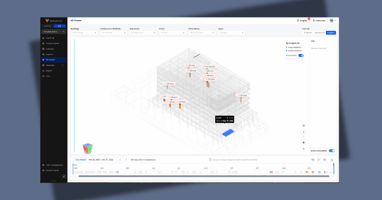
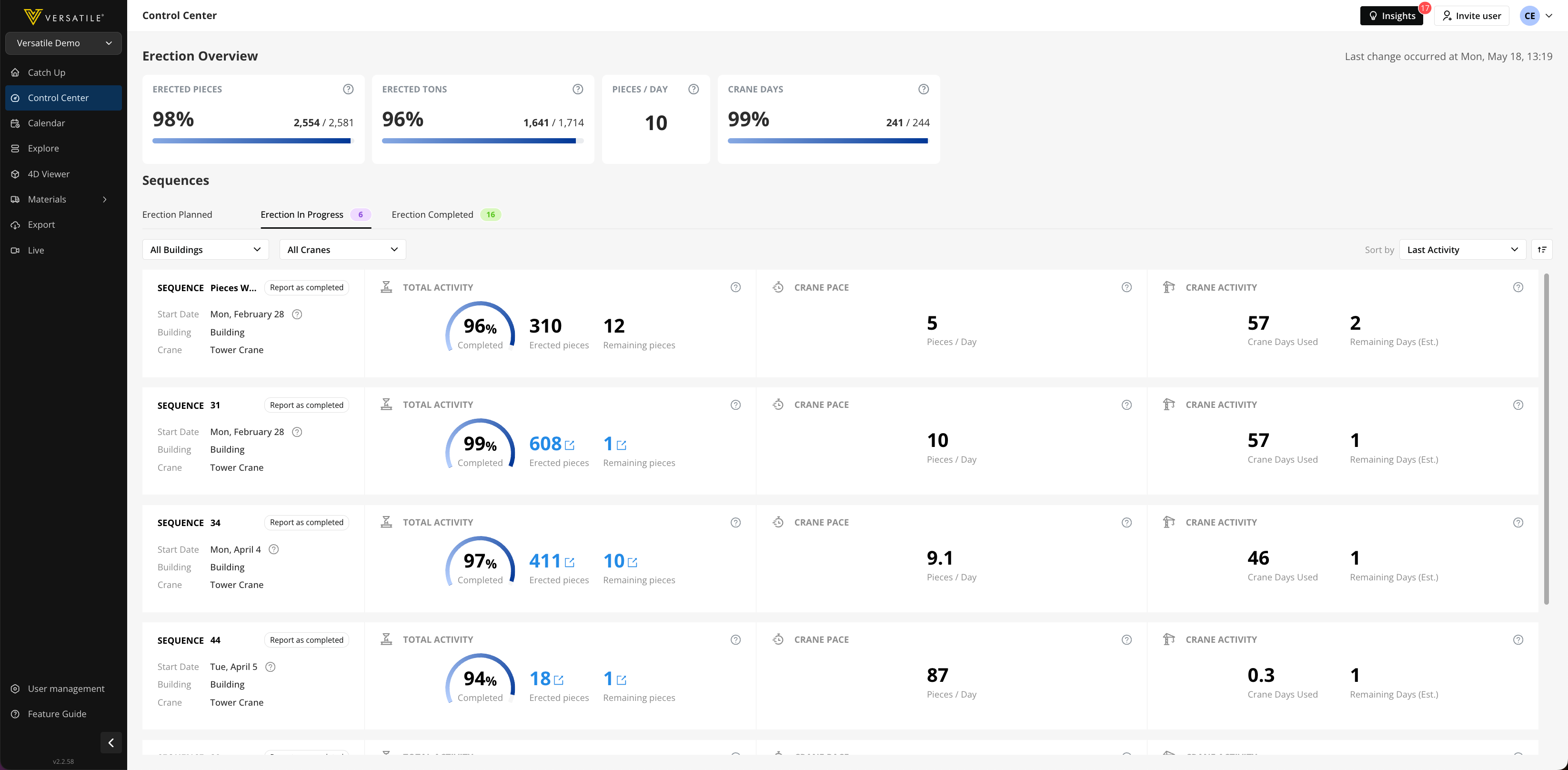
The automated daily crane report is generated from machine-collected data from the hook. It's available before the morning meeting starts. It shows exactly what happened yesterday, verified at the pick level, without anyone having to compile it.
Here's how that changes the meeting.
The recap takes 30 seconds. Instead of reconstructing yesterday from memory, the team opens the report. Pick count: 41. Productive time: 6.2 hours. Non-productive time: 1.8 hours. Biggest delay: 22-minute wait for connector crew in zone 3 at 10:14 AM. That's the recap. It took 30 seconds and it's verified.
The conversation shifts from "what happened" to "what do we do about it." When you're not spending 10 minutes debating whether it was a good day or a slow day, you can spend that time on the things that actually affect today's production. The 22-minute connector delay in zone 3 becomes a specific conversation: do we need an extra connector in that zone today, or was it a one-time issue?
Patterns become visible across days. After a week of daily reports, the morning meeting has trend data. Pick rates are climbing or declining. Idle time is clustering at certain points in the shift. One zone is consistently slower than others. These patterns drive better planning decisions than any single day's memory can provide.
"We eliminated three spreadsheets and a daily phone call. The data is just there now. Our morning meetings went from 30 minutes of catching up to 10 minutes of planning." (Operations Manager, national erector)
A Better Meeting in Five Steps
Here's what the morning meeting looks like when it starts with automated crane data.
Step 1: Review yesterday's report (2 minutes). Pull up the daily production report. Confirm the pick count, review productive versus non-productive time, and note any flagged Insight cards. This replaces the foreman's memory-based recap with verified data.
Step 2: Review flagged anomalies (3 minutes). The system automatically generates Insight cards for picks that ran significantly longer than baseline. Each card includes timing, cost impact, and linked evidence. Review the top two or three. Are they one-time issues or repeating patterns?
Step 3: Check material readiness (2 minutes). Review which pieces are on site and verified for today's planned sequence. Flag any gaps. If a piece is missing, the PM starts working on it immediately rather than discovering it mid-shift when the crane is committed.
Step 4: Set today's target (2 minutes). Based on yesterday's actual data and today's material readiness, set a realistic pick target. Not a hope. A number based on what the data says the crew can do when the pieces are staged and the coordination is tight.
Step 5: Assign and go (1 minute). The crew has a plan. It's based on data, not memory. Everyone heard the same numbers and the same priorities. The meeting is done in 10 minutes.
What Your Crew Doesn't Have to Do
Nobody on the crew generates the report. The crane intelligence device captures every pick from the hook. The data processes through validation against the IFC model. The report is generated and available before the morning meeting. The foreman doesn't fill out a form. The PM doesn't compile a spreadsheet. The raising gang doesn't interact with any software.
Built for the pad, not the trailer. The tool earns its place by making the morning meeting shorter, sharper, and based on facts instead of recollection.
Better Meetings, Better Days
The morning meeting is the most important 10 minutes of the day on a steel erection project. When it starts with verified data instead of memory, the plan is better, the coordination is tighter, and the crew spends less time figuring out what happened and more time making things happen.
Across projects tracked by Versatile, erectors who use production intelligence in their morning meetings report faster meetings, fewer mid-day surprises, and more consistent daily production. Not because the data does the work. Because the data gives the people doing the work a clearer picture to plan from.