Steel erection is not a single job. It is a chain of jobs: model the frame, detail the connections,...
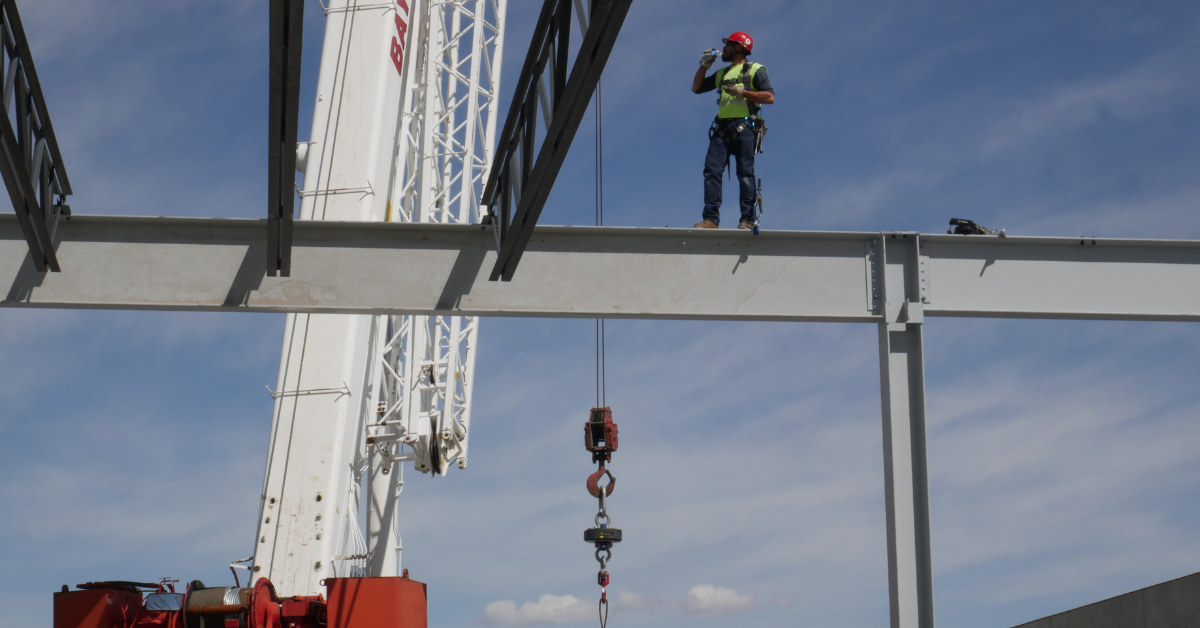
In steel erection, sequence is everything. The planned erection sequence exists for structural integrity, crane reach optimization, and material staging efficiency. When one piece goes out of order, it doesn't just affect that pick. It cascades. The crane has to reposition. The connectors are in the wrong zone. The next three pieces can't be set until the first one is resolved. What started as one out-of-sequence pick turns into a half-day of lost production.
Most erectors know this from experience. What they don't have is data that shows it happening in time to do something about it.
Why Sequences Break Down
The erection sequence is planned months before the first piece flies. It accounts for structural loading, crane capacity and reach, connection dependencies, and material staging logistics. It's a carefully engineered plan. And on most projects, it starts falling apart within the first week of erection.
The reasons are predictable.
Deliveries don't match the sequence. The fabricator ships based on their production schedule, not your erection sequence. When Load 14 shows up with pieces from zones 3 and 5 but you need zone 2, you either wait for the right load or work out of sequence. Both options cost money.
Field conditions change the plan. Concrete wasn't poured on time. The GC moved another trade into your zone. A piece arrived damaged and needs replacement. The sequence that made sense in the planning office doesn't match reality on the ground.
Information lags behind the work. By the time the PM finds out the crew went out of sequence, it's already happened. The foreman made the best call he could with the information he had. But without data flowing from the hook to the trailer, the PM is always reacting to yesterday's problems.
How Data Keeps You Ahead of the Sequence
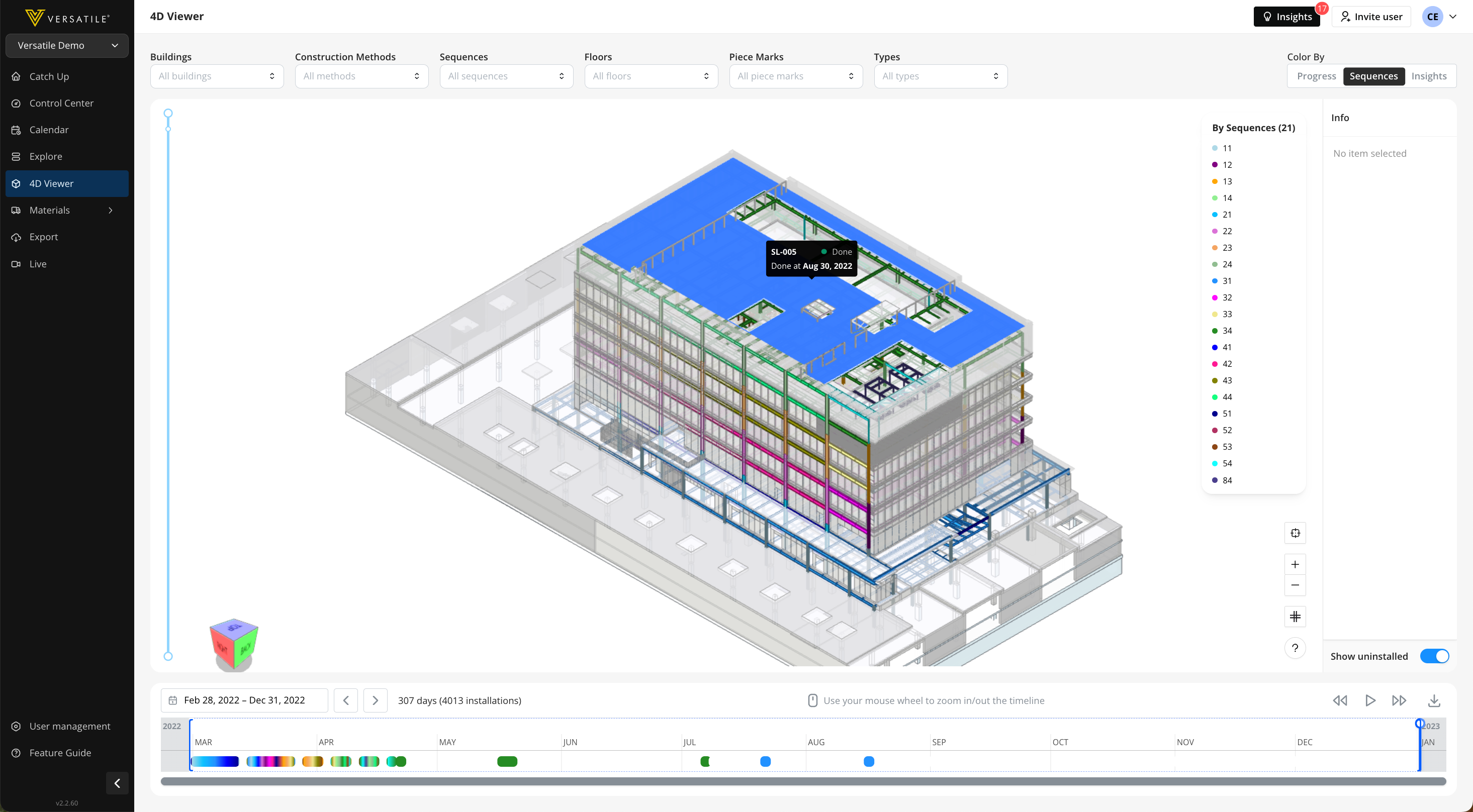
Staying ahead of the erection sequence means knowing three things before the shift starts: what pieces are on site and verified, what the crane did yesterday versus the plan, and where deviations are trending before they become schedule problems.
Material readiness tied to the sequence. Material tracking shows which pieces are on site, matched against what the erection sequence needs next. When the foreman can see that all pieces for tomorrow's planned sequence are staged and verified, planning shifts from reactive to proactive. When pieces are missing, the PM knows today, not tomorrow morning when the crane is ready and the steel isn't.
Automatic sequence deviation detection. The crane intelligence system maps every pick against the planned erection sequence. When the crew works out of order, the system captures exactly when the deviation started, which pieces were affected, and what caused it. This documentation happens passively. Nobody has to stop and write it down.
Pattern recognition across shifts. One out-of-sequence day is a field decision. Three consecutive days of sequence deviations in the same zone is a systemic issue: a delivery problem, a staging problem, or a coordination failure with another trade. The data shows these patterns before they become schedule-level problems.
"We used to find out about sequence issues at the weekly coordination meeting. By then, we'd already lost three or four days. Now we see deviations the morning after they happen and can adjust before they compound." (PM, national steel erector)
The Margin Protection Angle
Out-of-sequence work is one of the most expensive problems on a steel erection project, and one of the hardest to recover costs for. The reason is simple: without data, you can't prove whose fault it was.
When the GC asks why erection fell behind schedule, "we had to work out of sequence" isn't a defensible answer without evidence. But "we went out of sequence on May 14th because Load 22 arrived with zone 4 pieces instead of zone 2, causing a 6-hour delay documented with timestamped pick data" is a different conversation entirely.
Versatile data consistently shows that sequence deviations account for a significant portion of the 30 to 60 minutes of daily micro-delays identified per crane. At $1,000 per hour for a raising gang, those deviations represent real margin exposure. The difference between documenting them and not documenting them is the difference between a backcharge and an absorbed cost.
What Changes for the Crew
Nothing. The raising gang sets steel the way they always have. The crane intelligence device rides on the hook and captures every pick automatically. Sequence tracking is a function of the data, not a task for the crew.
For the foreman, the change is in morning planning. Instead of building the day's sequence from memory and a walk through the yard, the data shows what's available, what was set yesterday, and where the plan stands. Planning gets faster and more accurate.
For the PM, sequence data becomes a planning tool and a protection tool simultaneously. You can see problems forming early enough to adjust, and you have the documentation to prove what happened when questions come later.
Sequence Is the Schedule
On a steel erection project, the erection sequence is the schedule. When the sequence holds, the schedule holds. When it breaks down, everything downstream shifts: connections, decking, MEP coordination, concrete pours.
Staying ahead of the sequence isn't about working faster. It's about seeing what's coming, knowing what's on site, and having the data to prove what happened when the plan had to change. Crane intelligence captures that data automatically, from the hook, without asking your crew to do anything different. The sequence takes care of itself when the data takes care of the documentation.