Nobody on a steel erection project has spare time. The raising gang is setting steel. The foreman is managing the sequence. The PM is juggling the GC, the fabricator, and three open RFIs. If your progress tracking system requires any of those people to stop what they're doing and fill out a form, it's already dead on arrival.
That's the dirty secret of most construction technology: it asks the busiest people on the jobsite to do more work. And then everyone wonders why adoption is low.
Production intelligence takes a different approach. The data is machine-collected from the crane. Nobody on your crew does anything different. And the progress tracking happens automatically, validated against your IFC model, without a single manual entry.
Why Traditional Progress Tracking Fails on Steel Projects
The pace of steel erection outmoves manual tracking. On a busy day, a raising gang can set 40 to 60 pieces. Each piece has a Fabrication ID, a Design ID, a planned location in the structure, and a place in the erection sequence. Tracking all of that by hand, in the field, while steel is flying, is unrealistic.
So what actually happens? The foreman gives a rough count at the end of the day. The PM updates a spreadsheet based on that count. The GC gets a weekly summary that's already three days stale by the time it lands. And when someone asks "are we on schedule?" the honest answer is usually "I think so."
"I think so" doesn't protect your margin when the schedule gets disputed.
How Automated Progress Tracking Actually Works
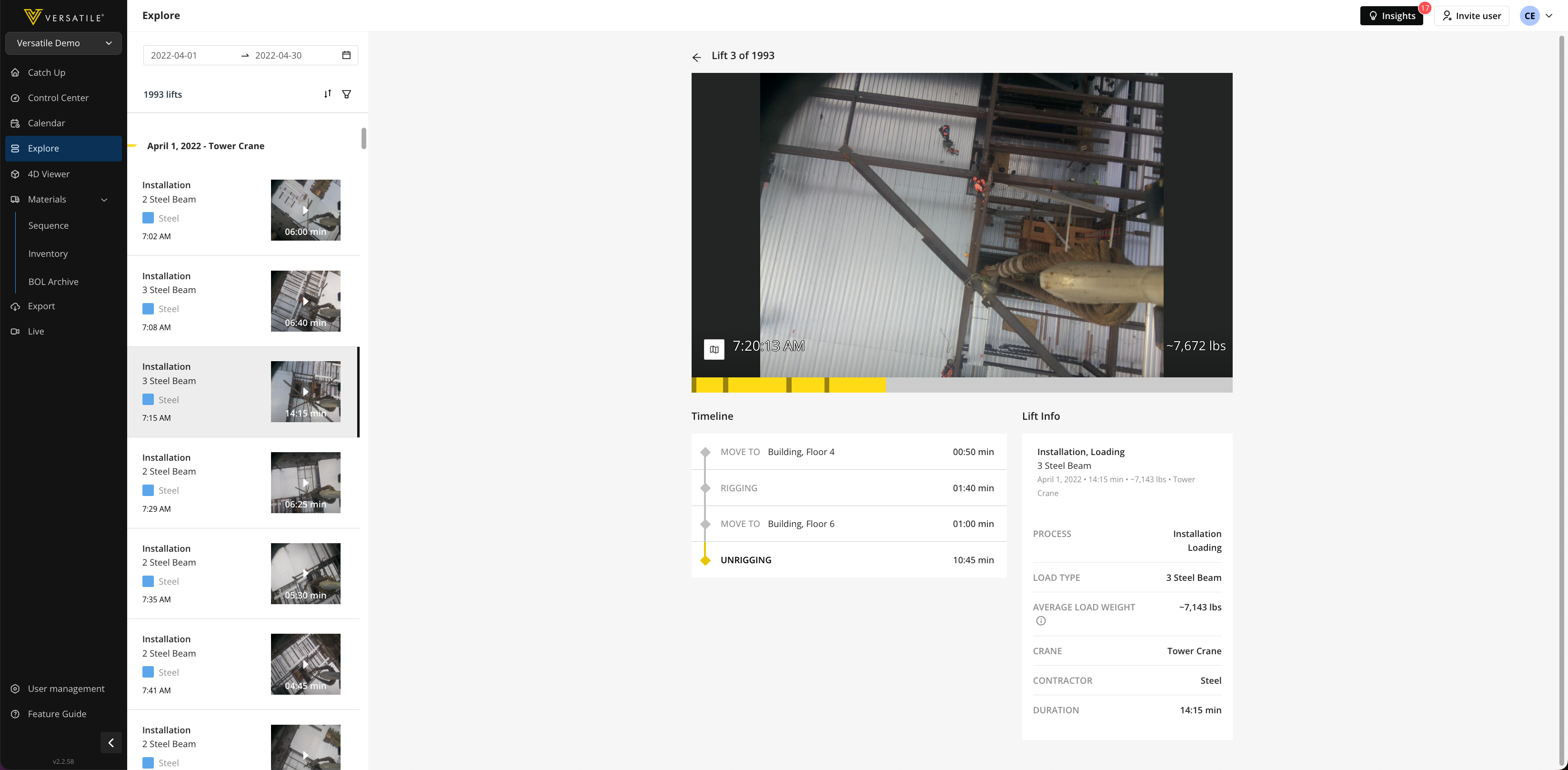
The crane intelligence device rides on the hook and captures data from every pick. As pieces are rigged, flown, and set, the system records what moved and where it went. That data runs through multiple validation iterations, matching each pick against the project's IFC model by Fabrication ID and Design ID to confirm placement.
The result is an automated, verified record of what's been erected. Not an estimate. Not a count from memory. A machine-collected record with approximately 98% automated accuracy.
This data feeds directly into three deliverables that steel erectors and GCs use daily:
Daily production reports. Every morning, the team gets a verified count of what was set yesterday, how long each pick took, and where productive time went versus non-productive time. This is the same daily reporting we covered in detail, now connected to the bigger progress picture.
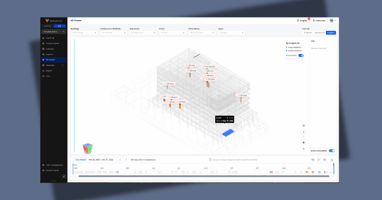
4D model updates. The project's BIM model is auto-updated to reflect what's actually been erected. No one in the trailer hand-colors a model or manually updates statuses. The model shows reality, validated by data from the hook.
Project-level analytics. The Control Center shows total piece count (erected vs. remaining), project completion percentage, and raising gang days consumed versus remaining. This is machine-collected production data, not gut feel. When your VP of Ops asks where the job stands, you have a number that's backed by evidence.
What Your Crew Has to Do Differently
Nothing.
The device ships ready to go. Your certified rigger puts it on the hook in seconds. It connects over its own cellular connection. There are no tablets in the field. No forms to fill out. No apps to open. No manual data input, ever.
"The best part is my guys didn't have to change anything. The data just started showing up." (Foreman, regional steel erector)
This isn't a minor point. It's the whole point. Field rejection kills adoption faster than bad UX. Versatile was built to be accepted on the pad, not fight it. It's seen as another tool on the hook, not another task for the crew.
The Protection Angle Most People Miss
Automated progress tracking isn't just about knowing where you stand. It's about being able to prove it.
When the GC claims your crew fell behind, you can show piece-by-piece erection data mapped to the schedule. When a fabrication issue causes out-of-sequence work, the data shows exactly when the deviation started and why. When the project hits closeout and someone questions three weeks of production from two months ago, the records are there, timestamped and verified.
"When questions came from the office three months later, we didn't have to dig through emails. We pulled the production data and showed them exactly what happened." (PM, national steel erector)
At $1,000 per hour for a raising gang, even one disputed day of production represents significant margin exposure. Automated progress tracking gives you the defensible evidence to protect that margin without asking your crew to do anything extra.
Progress Tracking That Earns Its Place on the Pad
The construction industry doesn't need another dashboard that demands data from the field. It needs tools that capture data without changing how crews work and deliver verified production records that protect the people doing the building.
That's what automated progress tracking does. Your crew sets steel. The data takes care of itself. And when someone needs to know where the job stands, the answer is backed by machine-collected production intelligence, not memory.