Not every slow pick is a problem. Sometimes the piece is heavier, the reach is longer, or the connectors need extra time on a complex connection. But when the same type of delay keeps showing up in the same zone, on the same shift, or with the same activity, that's not a one-off. That's a pattern. And patterns that go unnoticed become trends that eat margin.
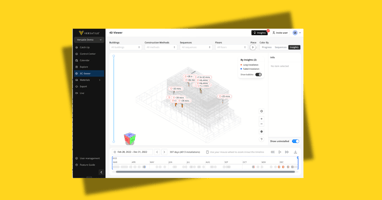
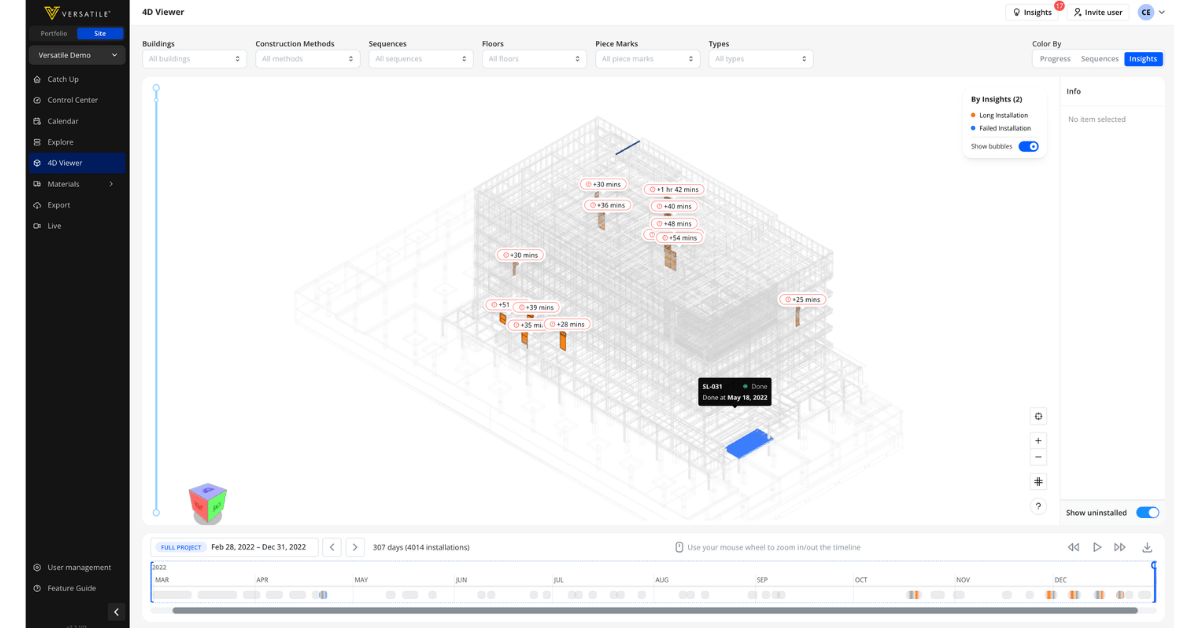
Outlier reports surface these patterns automatically. Instead of relying on the foreman to notice that something feels off, the data identifies picks that fall outside the expected range and presents them in a way that makes the pattern visible and actionable.
What an Outlier Actually Is
In the context of crane production data, an outlier is a pick that deviates significantly from the baseline for that type of activity. The baseline isn't a fixed number. It accounts for piece weight, crane configuration, reach distance, and the type of pick (erection versus shake-out versus repositioning). A pick that takes 18 minutes when the baseline for that activity is 10 minutes is an outlier. A pick that takes 12 minutes when the baseline is 10 minutes probably isn't.
The distinction matters because not all long picks are problems, and not all short picks are wins. A 20-minute pick might be perfectly reasonable for a heavy column at maximum reach. A 6-minute pick might indicate that something was rushed. The outlier report compares each pick against its appropriate baseline, not against a flat average, so the flags are meaningful.
This is where automated data earns its value. A foreman can feel when a shift is going slowly, but identifying which specific picks were slow and why requires a level of granular tracking that manual methods can't deliver. The crane intelligence system captures every pick with enough detail to make that comparison automatically.
Where Outliers Reveal Problems
The value of outlier reporting isn't in catching a single slow pick. It's in revealing clusters of outliers that point to a systemic issue. Here are the patterns that outlier reports consistently surface across steel erection projects.
Material staging bottlenecks. When picks in a specific zone consistently take longer than baseline, and the extra time is in the gap between picks rather than the pick itself, the issue is usually staging. The crane finishes one pick and waits because the next piece isn't rigged. The next piece isn't rigged because it wasn't staged close enough to the pick point. The outlier report shows the pattern: zone 3 picks are running 4 minutes over baseline, and the excess is concentrated in the wait time between picks. The fix is a staging adjustment, not a crew performance conversation.
Delivery zone inefficiencies. One superintendent noticed through outlier data that a specific delivery zone was consistently adding 20 minutes per pick compared to other zones. The steel in that zone was being staged on the far side of the laydown yard, forcing longer crane travel for every pick. Restaging the material saved time on every subsequent pick in that zone. Without the outlier report, the pattern would have been invisible because no single 20-minute pick seemed abnormal enough to investigate.
Trade transition friction. On multi-trade sites, outlier reports often flag the first few picks after a trade transition as slow. The crane was released from the concrete crew, but the rigging team wasn't staged and ready. The first two picks of the steel window take 50 percent longer than baseline. That's a coordination problem, and it repeats every time the crane transitions. The outlier report makes the repeating pattern visible so the foreman can plan for it.
Connection complexity surprises. Some connections take longer than the erection plan anticipated. A beam-to-column moment connection in zone 5 might consistently run 6 minutes over baseline because the field conditions are tighter than the design suggested. The outlier report flags it. The PM can update the schedule for remaining connections of the same type, adjust the sequence to account for the slower pace, or flag it for a conversation with the engineer.
"We noticed one delivery zone was consistently adding 20 minutes per pick. Without the outlier report, we never would have caught it." (Superintendent, steel erector)
How to Use Outlier Reports in Morning Planning
The best time to act on outlier data is the morning after it happens. The foreman sits down with the previous day's daily report, which includes flagged outliers, and uses it to plan the current day.
The conversation goes from general to specific. Instead of "let's have a productive day," the foreman can say: "Yesterday we lost 8 minutes per pick in zone 4 because pieces weren't pre-sorted by sequence. Tonight we're staging zone 5 in sequence order so we don't repeat it." That's a specific, actionable plan based on data, not a pep talk.
Over time, the outlier reports create a feedback loop. The foreman identifies a pattern, adjusts the workflow, and the next day's report shows whether the adjustment worked. If zone 5 picks come in at baseline or better, the fix worked. If the outliers persist, the root cause is something different and needs further investigation. The data closes the loop instead of leaving it open.
The Margin Protection Layer
Outlier reports also serve a documentation function that protects margin on the back end of the project.
When picks are flagged as outliers due to other-trade interference, weather holds, or GC scheduling decisions, those flags create a timestamped record of production impacts. If the erector needs to file a delay claim or justify a schedule extension, the outlier data shows exactly which picks were affected, by how much, and what caused the deviation. That's a level of documentation that's nearly impossible to reconstruct from memory or manual logs.
The difference between an outlier that's the erector's problem (crew coordination, staging workflow) and an outlier that's someone else's problem (trade interference, late crane release, missing material) is a difference that costs real money. The outlier report makes that distinction visible, documented, and defensible.
Every construction project generates outliers. The question is whether they stay invisible until they've already cost you time and money, or whether you see them the next morning with enough context to do something about it. Crane intelligence gives you the second option.